Swissbit Blog
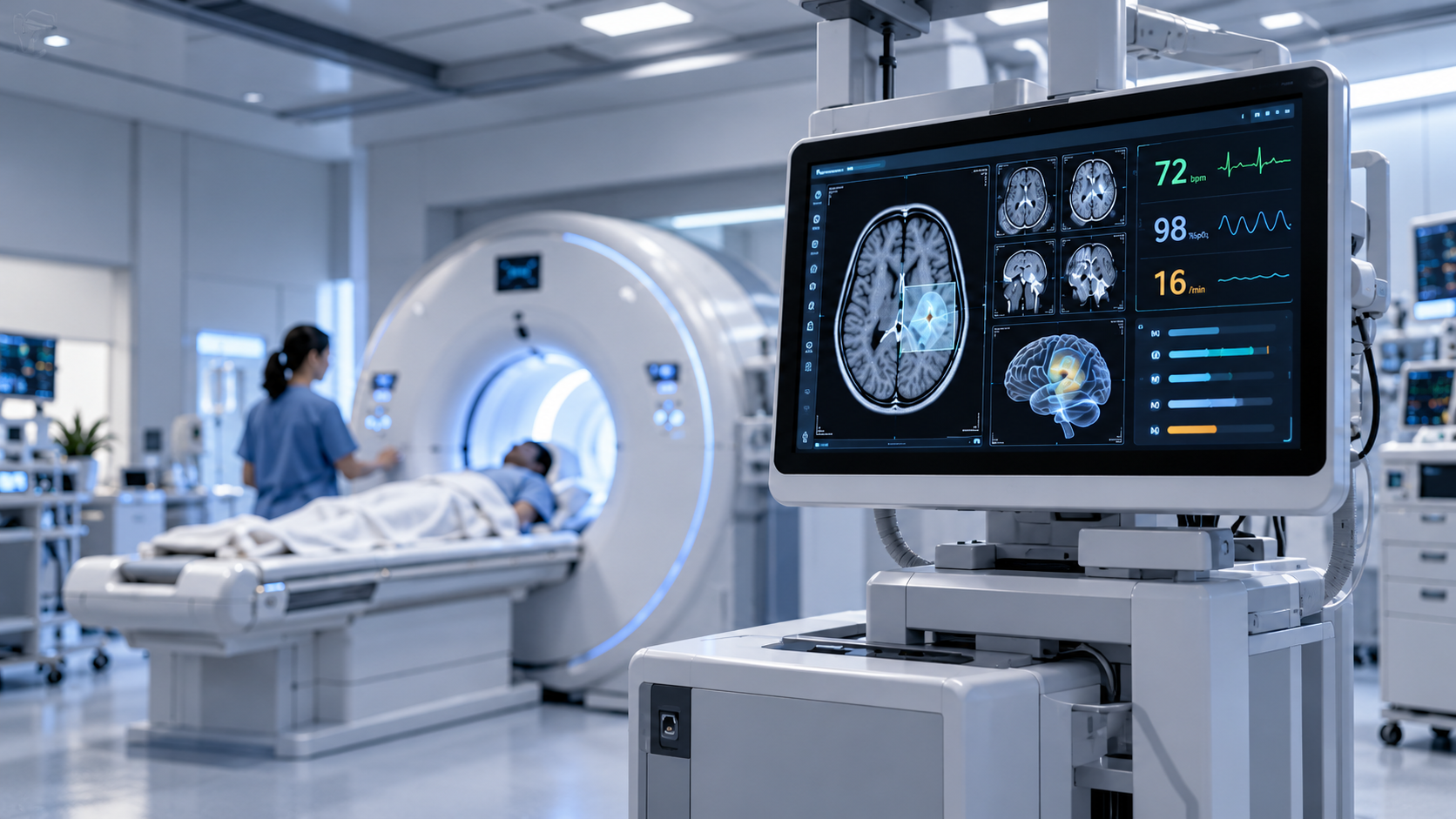

AI is transforming medical devices, from diagnostic imaging and patient monitoring to intelligent edge platforms. As more data and AI processing move into the device, storage must deliver more than capacity. Discover why data integrity, predictable performance, cybersecurity and long-term reliability are becoming essential for AI at the medical edge.

Migrating FIDO2 to Post-Quantum Cryptography is more than replacing algorithms. It affects attestation, secure channels, PIN protocols, metadata, certification, and interoperability across the ecosystem. Part two looks at these challenges – and at how Swissbit’s iShield Key 2 PQC helps evaluate PQC-enabled FIDO in practice.
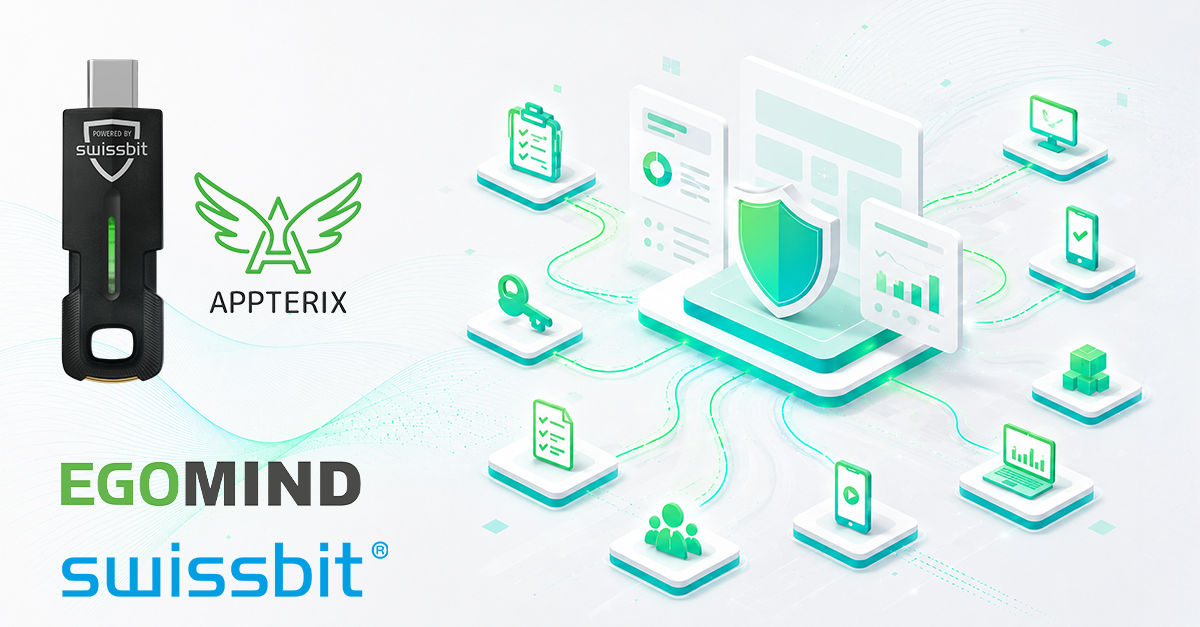
What happens after a successful FIDO2 rollout? With Appterix from EgoMind, companies can now centrally manage the Swissbit iShield Key 2 - from inventory and user assignment to certificate management, hardware refreshes, and lost-key scenarios.
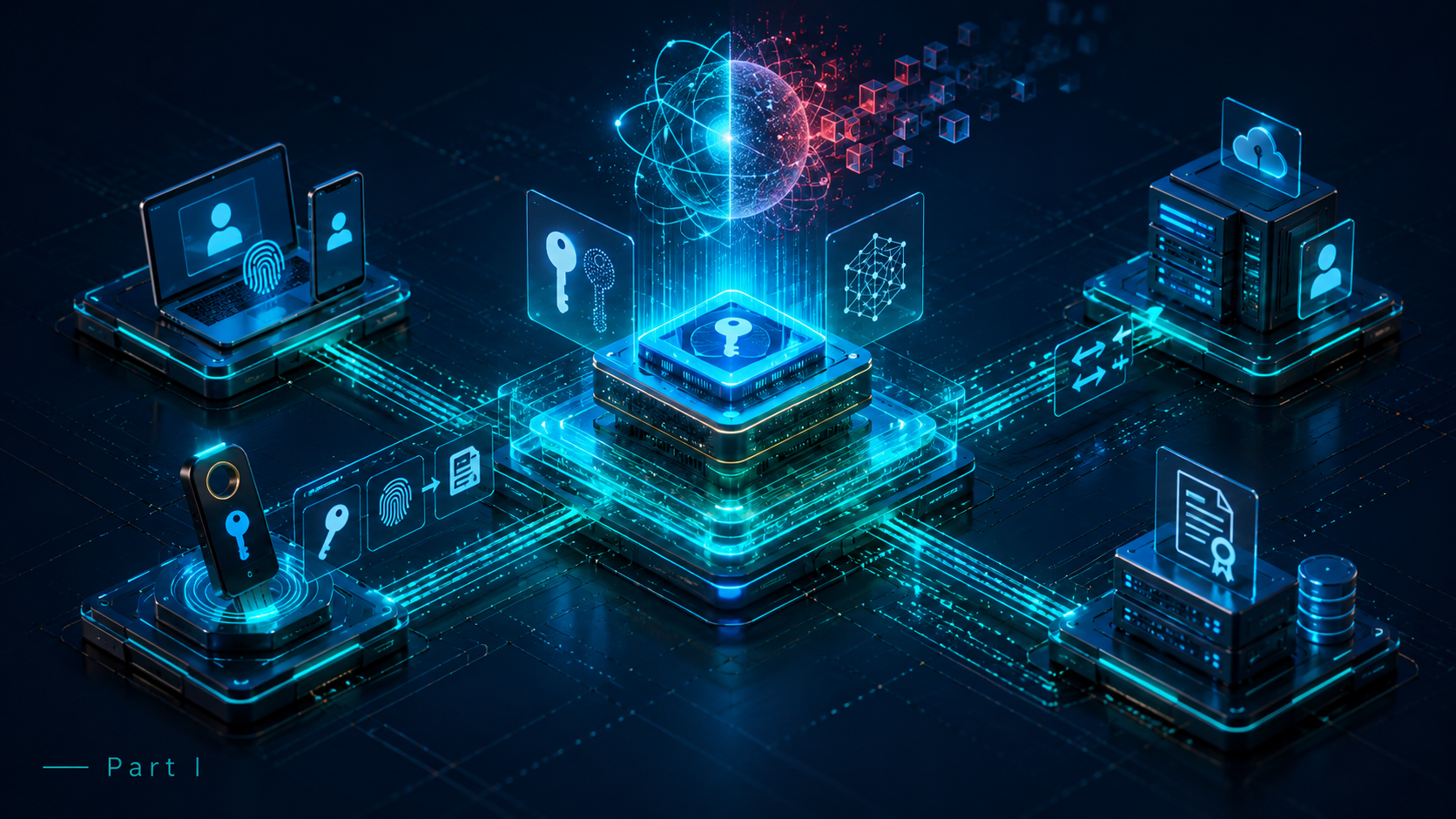
Passkeys make phishing-resistant, passwordless authentication easier to use—but their security rests on FIDO2 and public-key cryptography. Part I explains how WebAuthn, CTAP, authenticators, relying parties, and the FIDO Metadata Service work together, where cryptography is used across the FIDO2 ecosystem, and why migrating passkeys to Post-Quantum Cryptography (PQC) is an ecosystem challenge rather than a simple algorithm swap.

Fiscal compliance starts long before an audit. It begins at the POS, where every transaction must be recorded, protected, retained and made available in line with country-specific requirements. This article explains why secure, reliable storage is a critical foundation for fiscal-ready POS systems.

Newer NAND technology can bring higher capacity and lower costs—but that doesn’t automatically make it the right choice for every industrial application. Discover why endurance, data retention, workload, lifecycle requirements, and long-term availability should guide NAND selection—and how to choose the technology that best fits your system.
Some decisions only reveal their full value years later. In part two of this series, I reflect on why Swissbit’s focus on industrial storage, manufacturing depth, firmware and security is becoming increasingly relevant in a market shaped by AI, supply-chain pressure and new cybersecurity requirements.
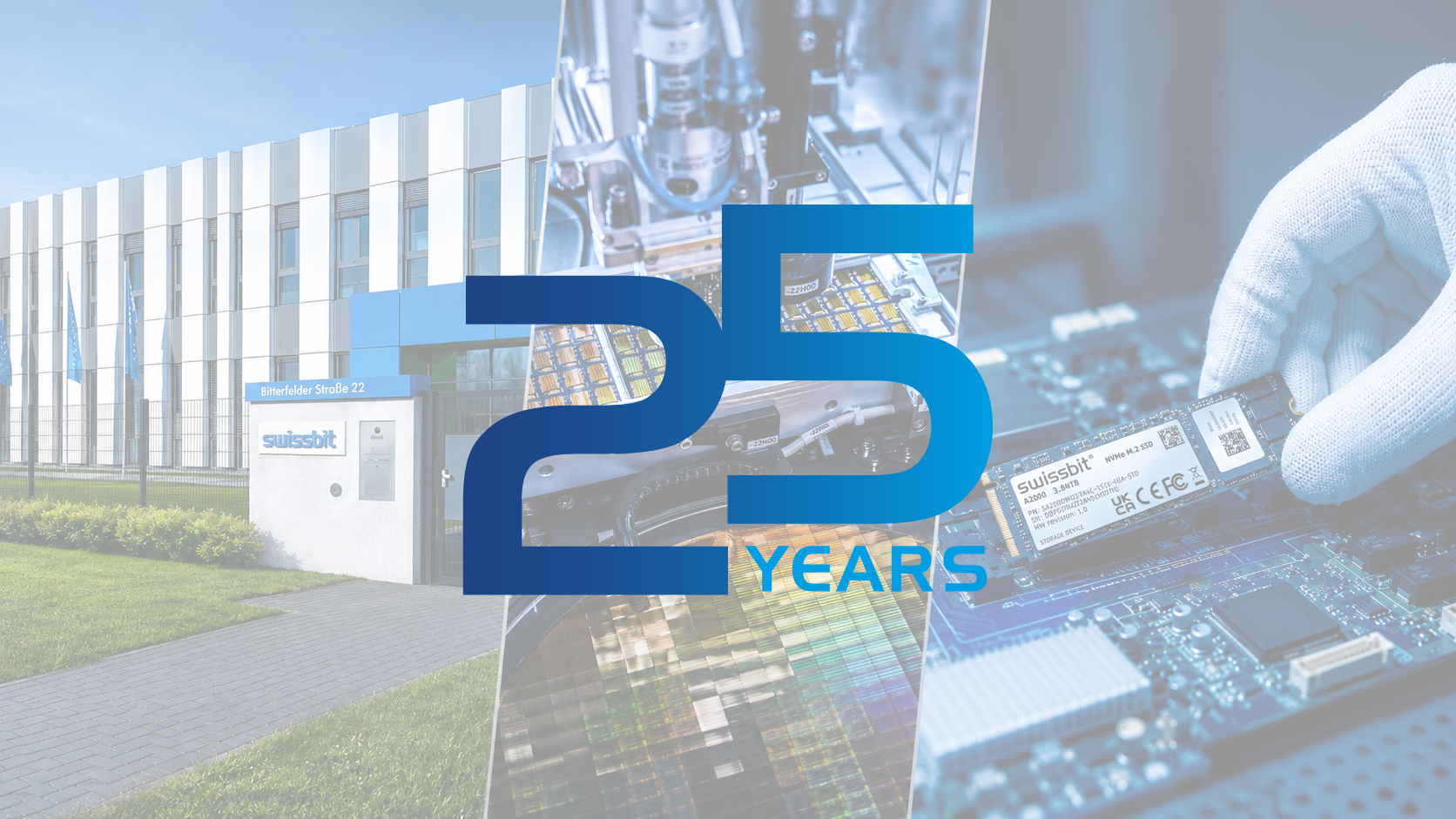
After 25 years with Swissbit, many early decisions look different to me than they did at the time. In part one of this anniversary series, I look back at our beginnings, the move toward industrial storage, and why building deep manufacturing expertise in Berlin became so important for who we are today.
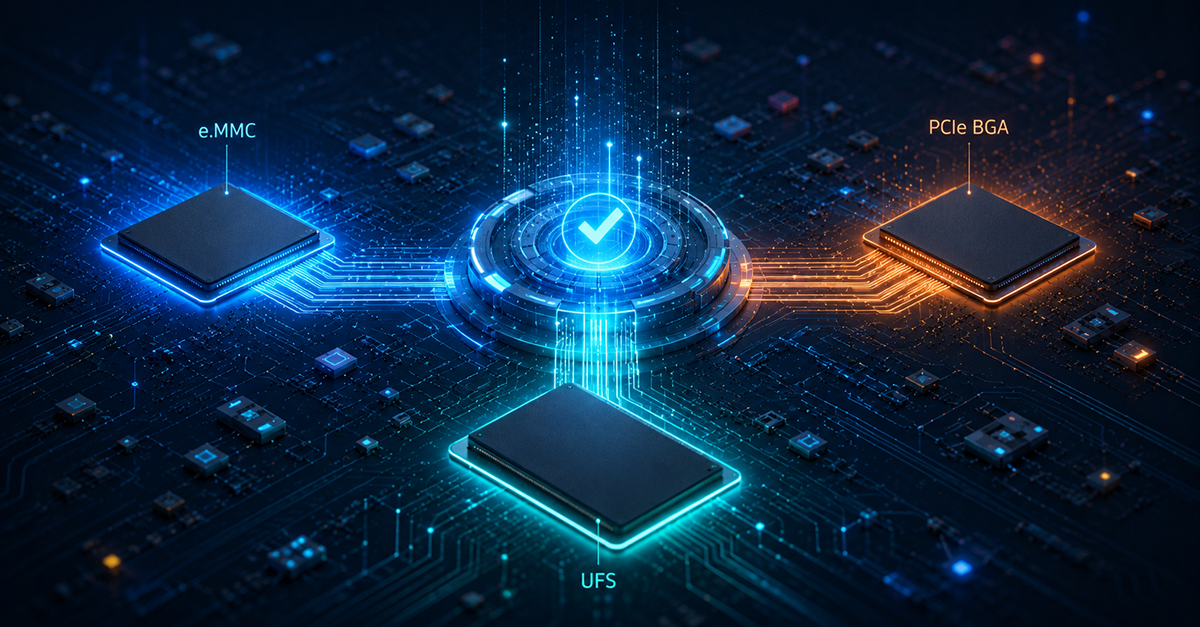
As semiconductor suppliers scale back e.MMC, many industrial customers are reassessing their storage strategy. But UFS is not automatically the safer choice. The key is to match performance, platform compatibility, integration effort, and long-term availability to the actual application requirements.

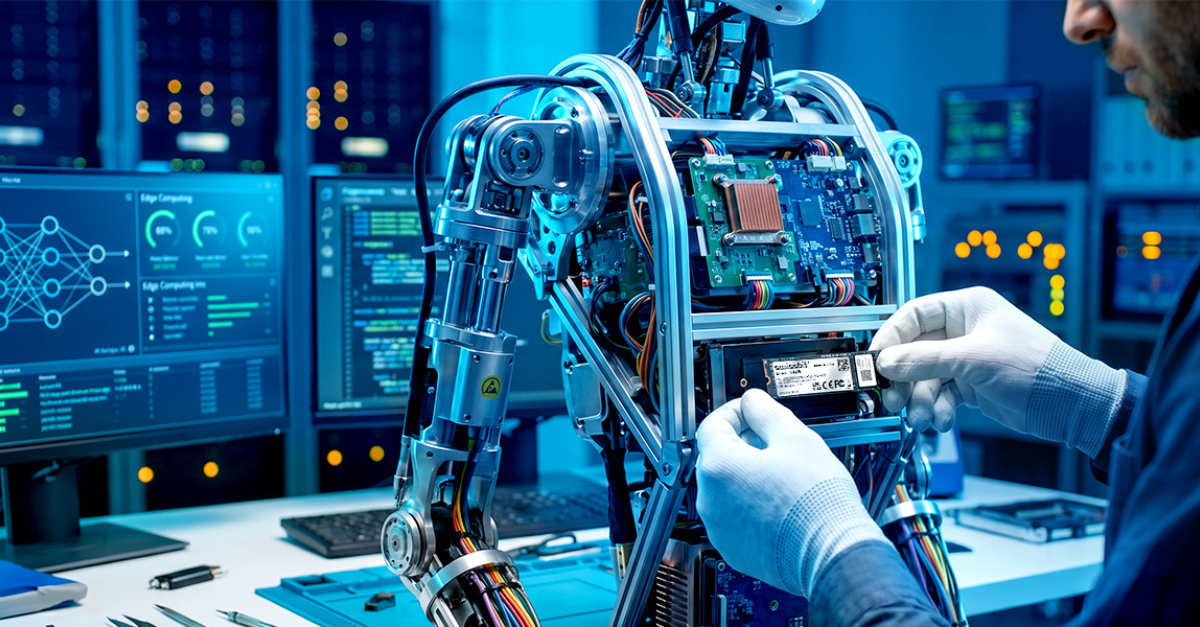
Edge AI is transforming factories, robots, and industrial equipment—but powerful processors alone are not enough. Reliable storage plays a critical role in protecting AI models, operational data, system integrity, and long-term performance. Discover why industrial SSDs should be selected for Edge AI platforms from the very beginning.

A fast SSD isn’t always the right SSD. Discover why consistent performance, endurance, and reliability matter more than peak benchmark numbers in industrial systems.

Germany’s planned 2027 cash register mandate could reshape POS strategy for retailers, hospitality businesses and service providers. This blog explains what may change, why TSE integration matters, and how certified hardware, cloud or hybrid fiscalization solutions can help build secure, audit-ready cash register environments in Germany for the years ahead.
Edge, networking and industrial systems need storage that delivers more than headline speed. The Swissbit A2000 Series combines PCIe Gen4 NVMe performance with industrial-grade reliability, consistent low latency, power-loss protection, security features and endurance options for real workloads in demanding environments.