Swissbit Blog
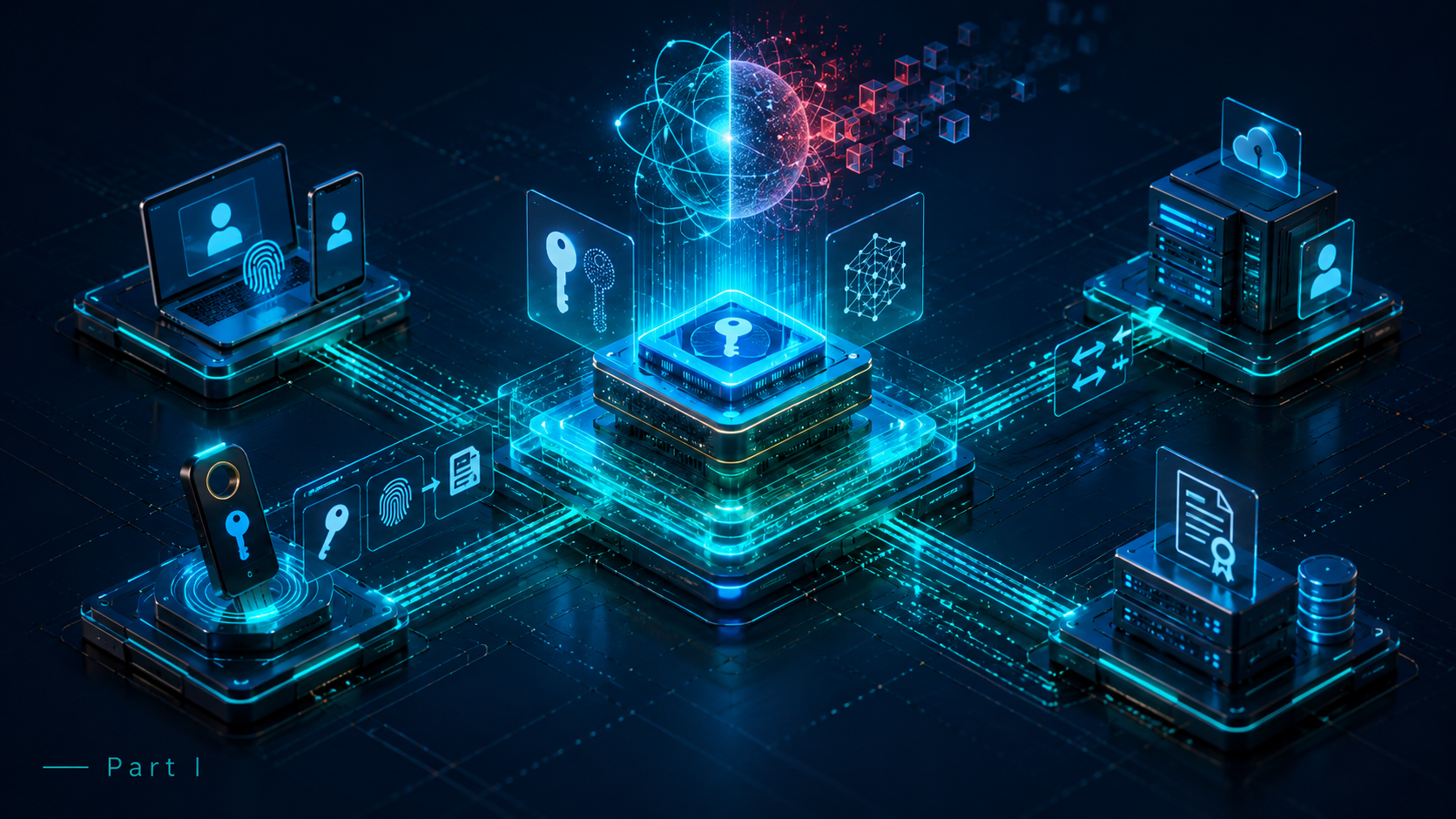

Passkeys make phishing-resistant, passwordless authentication easier to use—but their security rests on FIDO2 and public-key cryptography. Part I explains how WebAuthn, CTAP, authenticators, relying parties, and the FIDO Metadata Service work together, where cryptography is used across the FIDO2 ecosystem, and why migrating passkeys to Post-Quantum Cryptography (PQC) is an ecosystem challenge rather than a simple algorithm swap.
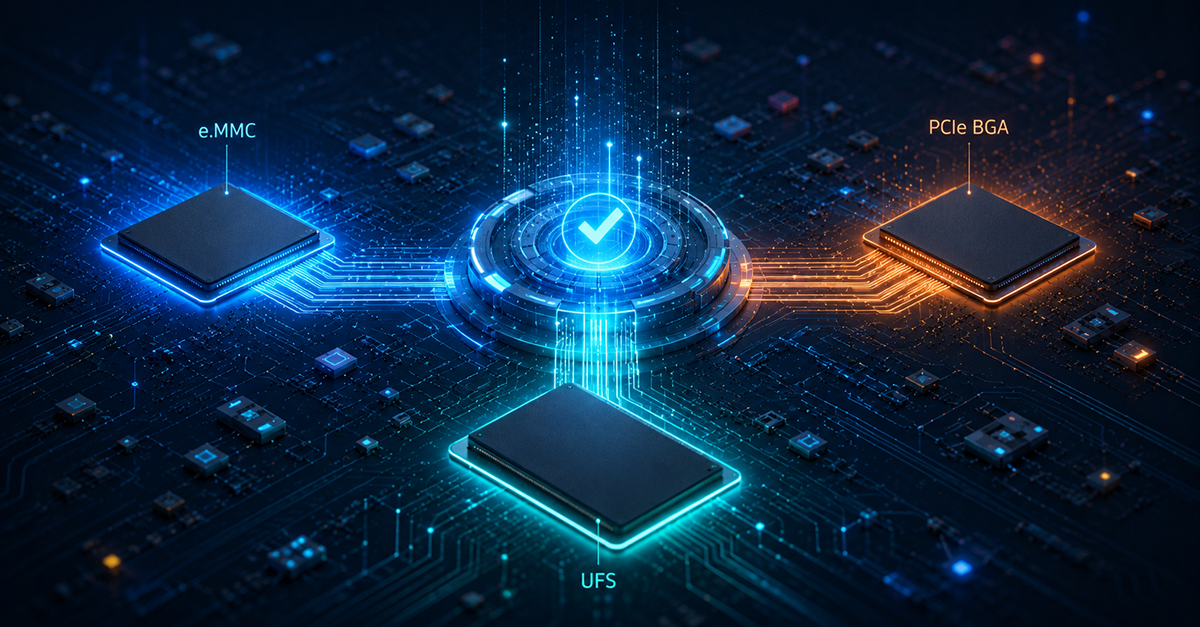
As semiconductor suppliers scale back e.MMC, many industrial customers are reassessing their storage strategy. But UFS is not automatically the safer choice. The key is to match performance, platform compatibility, integration effort, and long-term availability to the actual application requirements.
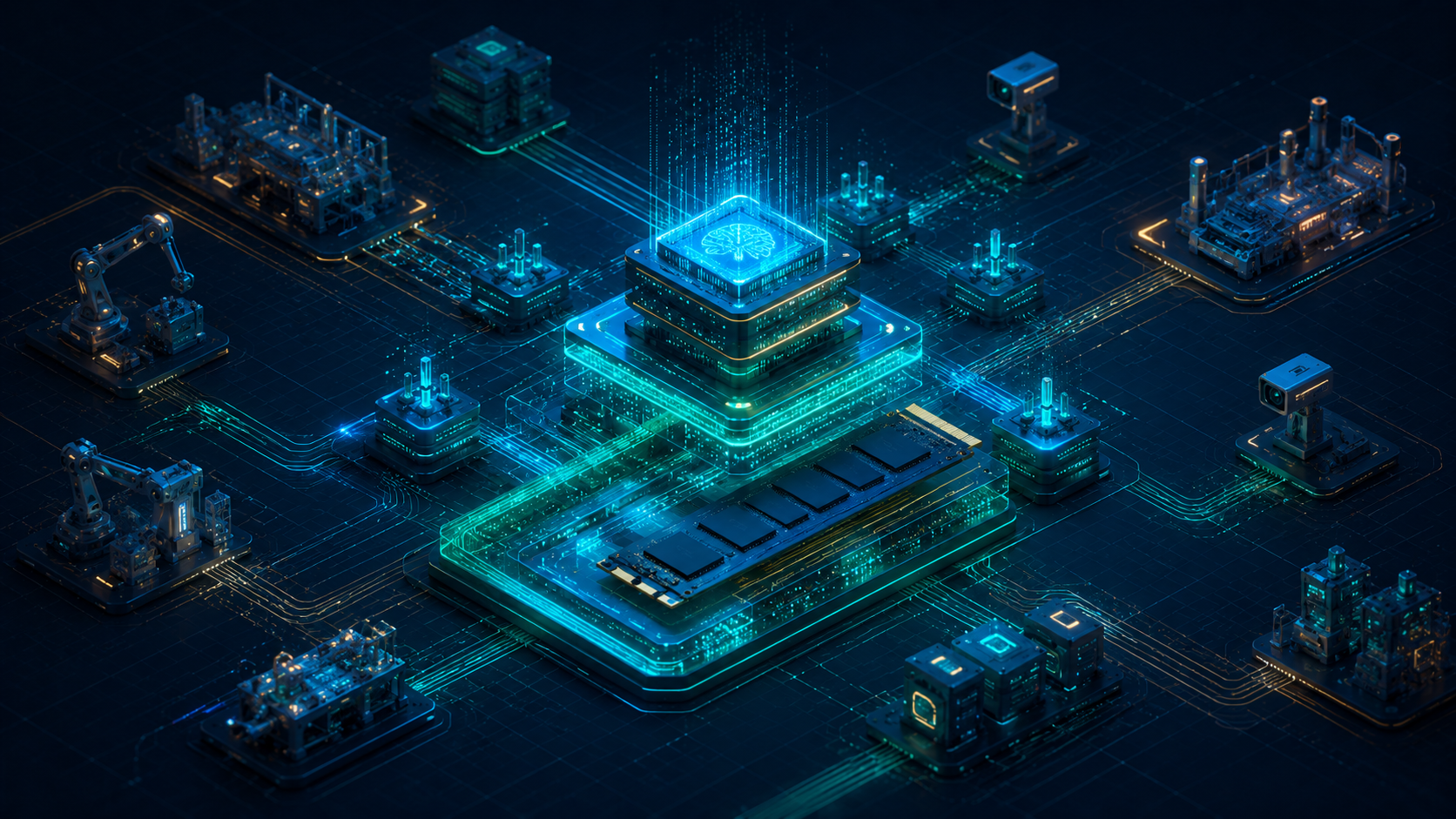
Edge AI is transforming factories, robots, and industrial equipment—but powerful processors alone are not enough. Reliable storage plays a critical role in protecting AI models, operational data, system integrity, and long-term performance. Discover why industrial SSDs should be selected for Edge AI platforms from the very beginning.
Learn what the German Cash Register Security Ordinance (KassenSichV) requires, who it affects, and how businesses can build a reliable, scalable POS compliance strategy with the right TSE approach.

AI at scale is not just a software story. This blog explores how power, cooling, storage, and resilient supply chains are becoming the true enablers of AI infrastructure, and why long-term reliability, industrial execution, and ecosystem thinking will define who creates lasting value in the AI economy.
In 2026, the memory supercycle is hitting hard. AI players are consuming nearly all NAND and DRAM capacity, leaving critical infrastructure systems struggling to obtain the flash they need. In my commentary, I explain why these “small” components are becoming the next big bottleneck - and what must change to keep the digital ecosystem stable.

In my latest blog post, I discuss how the increased demand for AI data centers is changing expectations regarding security, quality, and lifecycle stability in the supply chain. The solution involves secure supply chains, durable products, fixed parts lists, high-quality manufacturing, in-depth security expertise, customization, and service that goes far beyond standard support.
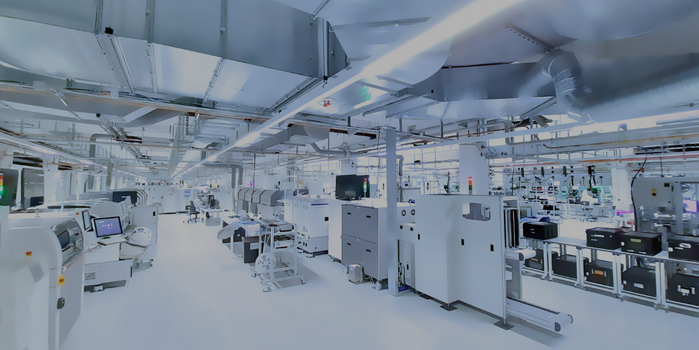
In my first blog post, I explore how companies can ensure the long-term security, reliability and availability of their data and devices. The answer often hinges on the capabilities of the manufacturing process behind the technology.
The electronics industry is entering a phase where strategic decisions made today will have long-term impact. In this blog post, I offer my outlook on the developments shaping the year ahead.

In my latest blog post, I take a closer look about sustainability. At Swissbit, it’s built into the way we innovate. As digitalization and the energy transition accelerate, the demand for powerful and reliable electronics is rising along with the responsibility to make technology more sustainable. Swissbit’s answer is integration excellence.
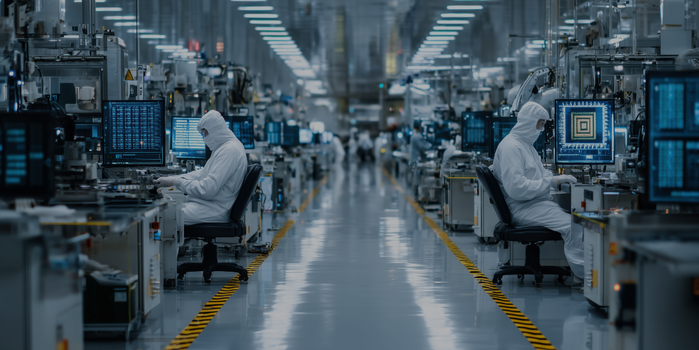
In my latest blog post, I take a closer look about Return Merchandise Authorization (RMA), expressed in parts per million (PPM). While rates of a few hundred PPM are often accepted across the industIry, Swissbit consistently achieves figures in the double- or even single-digit range.
In my latest blog post, I discuss supply chain security. In today's hyper-connected world, the integrity of supply chains is essential for digital sovereignty. As every system, line of code, and component becomes more interconnected, security can no longer be considered a secondary concern. Security must be embedded throughout the entire value chain, from design to delivery.
Not long ago, edge devices relied on simple microcontrollers with limited flash. That was enough when tasks were basic. But today, edge systems are expected to run real-time analytics and even AI inference directly on-site. This shift puts storage into the spotlight. Without fast, reliable memory, even the most powerful processor will stall.