Swissbit Blog

In my latest blog post, I examine the challenges facing the manufacturing industry more closely. What solutions are available, and what benefits do they offer? Finally, I share my conclusion.

In my latest blog post, I take a closer look at the financial sector. What challenges does the industry face? What solutions exist, and what are their benefits? Finally, I share my conclusion.
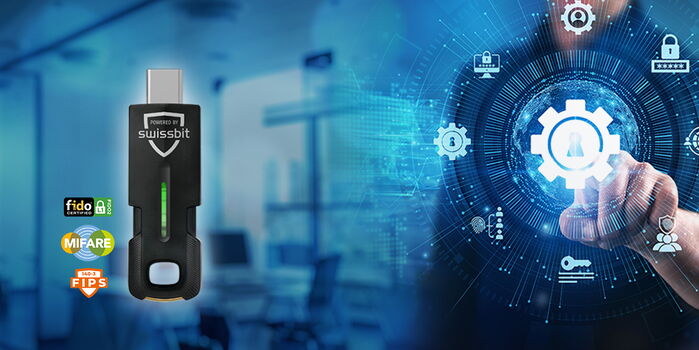
In my latest blog post, I unveil the iShield Key 2, a universal security key designed for both digital and physical access. I explain why the iShield Key 2 sets the global standard for hardware authentication and is the ideal phishing-resistant authentication solution for companies and organizations.
In my first blog post, I will explore why it is advantageous for companies to consider physical and logical access management together. First, I will explain the difference, and then I will discuss the advantages of such a combined solution for companies. Finally, I present the solution that Swissbit offers.
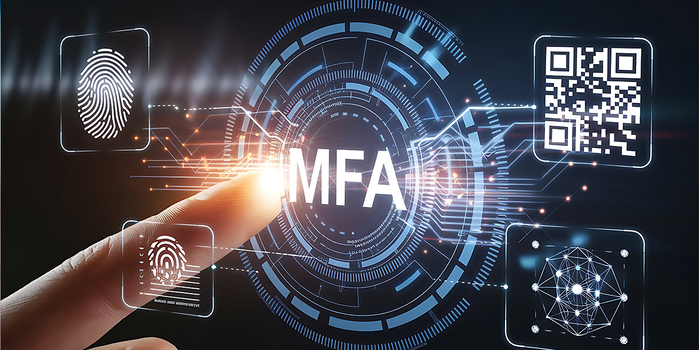
In my new article, I examine Adversary-in-the-Middle (AitM) attacks and compares this novel approach to traditional Man-in-the-Middle (MitM) attacks. The article shows how multi-factor authentication (MFA) can be bypassed as a core feature, but there is an effective way to prevent this: FIDO2

Industrial espionage and cyber threats are evolving, exploiting both digital weaknesses and physical access points. While ransomware grabs headlines, silent data theft often causes greater harm. Outdated security systems leave networks and restricted areas exposed. In his latest article, Claus Gründel examines rising data breach risks, the need for layered security, and how modern authentication protects both digital and physical assets.

In his new blog post for the “authentication 101” series, Travis Dunn takes a closer look at the development of FIDO Passkeys. Microsoft, Google and Apple are pushing the topic of passwordless authentication on the consumer side but is it realistic that passkeys will soon be used in companies? In his conclusion, Travis recommends another existing alternative: hardware authentication.
The Digital Operational Resilience Act (DORA) is the next major EU regulation to come into force. The aim of the EU regulation is to strengthen the IT security of European financial companies. Hardware authentication via FIDO Security Key can help effectively, as this article by Travis Dunn shows.
In his third "Authentication 101" blog post, Alexander explores the question of why hardware authentication is very attractive for companies. He highlights the most important aspects for the use of FIDO security keys. Using the iShield Key series as an example, he shows that Swissbit has assumed the role of technology leader in the FIDO security key sector.
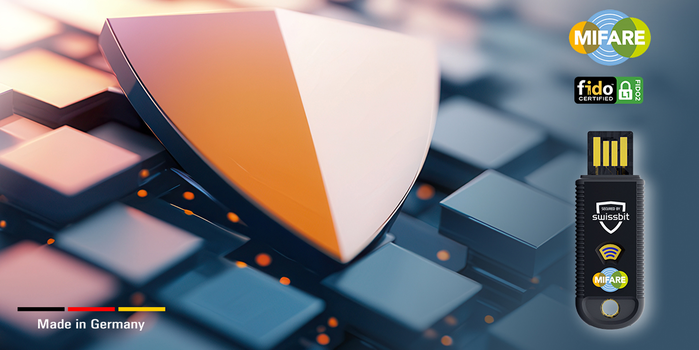
In his new blog post, Alexander Summerer presents nothing less than a game changer with the brand new iShield Key MIFARE. He explains why this is the case and why it is more attractive for companies and institutions than many other FIDO tokens due to its diverse fields of application.
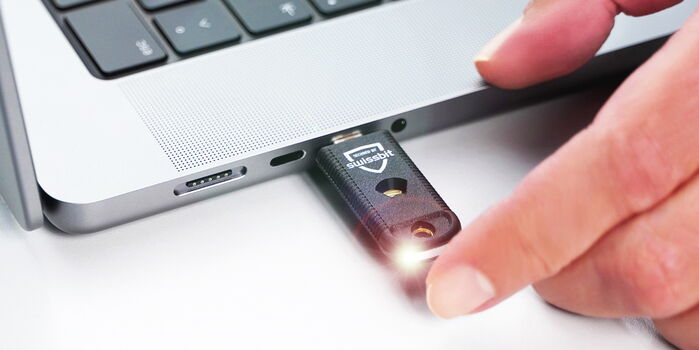
In his latest blog post of the "Authentication Basics" series, Chris Collier explores the essentials of multi-factor authentication (MFA) and points out how and why hardware tokens provide unparalleled security and ease of use. Discover why these physical devices are a top choice for robust online protection against phishing and other cyber threats.
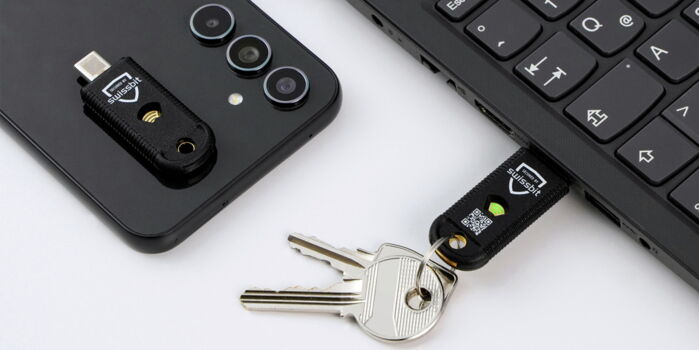
In his first "Authentication 101" blog post Alexander Summerer points out how and why the iShield Key series secures a user's digital identity by serving as an authenticator on websites, applications, online services and corporate networks.

The EU's NIS2 Directive is tightening cybersecurity for critical infrastructures. Navigating these regulations can be daunting. Alexander Summerer explains what NIS2 means for your organization and how Multi-Factor Authentication (MFA) can help you comply. Discover who is affected, the penalties for non-compliance, and why USB tokens might be the most secure and cost-effective MFA solution.