blog-all
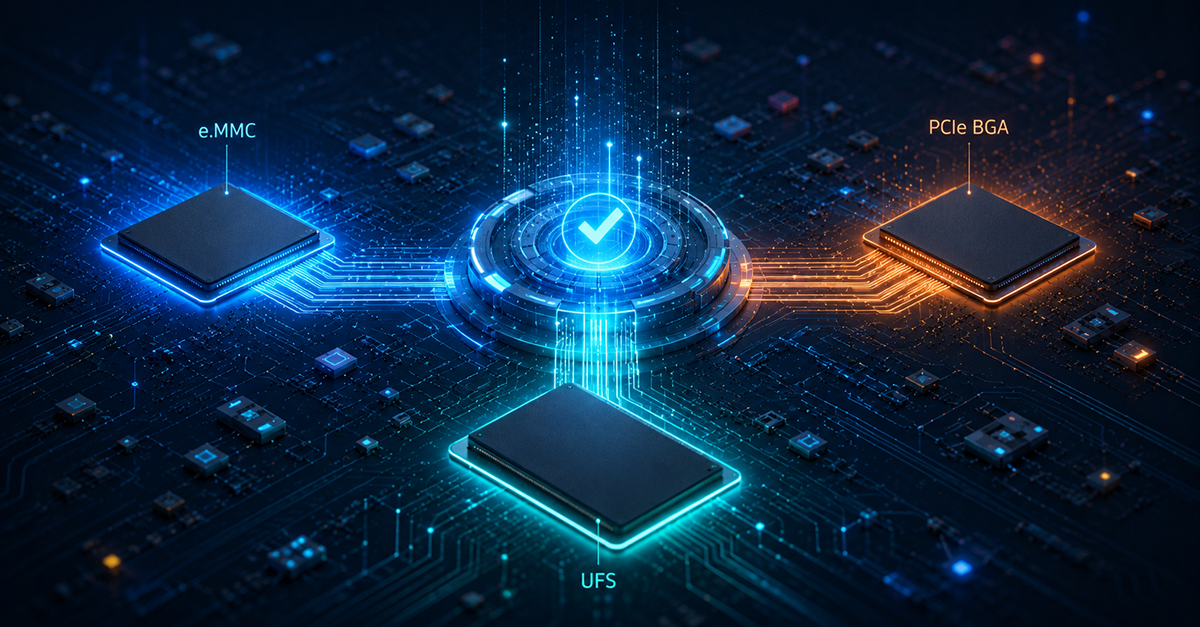

As semiconductor suppliers scale back e.MMC, many industrial customers are reassessing their storage strategy. But UFS is not automatically the safer choice. The key is to match performance, platform compatibility, integration effort, and long-term availability to the actual application requirements.
Edge AI is transforming factories, robots, and industrial equipment—but powerful processors alone are not enough. Reliable storage plays a critical role in protecting AI models, operational data, system integrity, and long-term performance. Discover why industrial SSDs should be selected for Edge AI platforms from the very beginning.
A fast SSD isn’t always the right SSD. Discover why consistent performance, endurance, and reliability matter more than peak benchmark numbers in industrial systems.
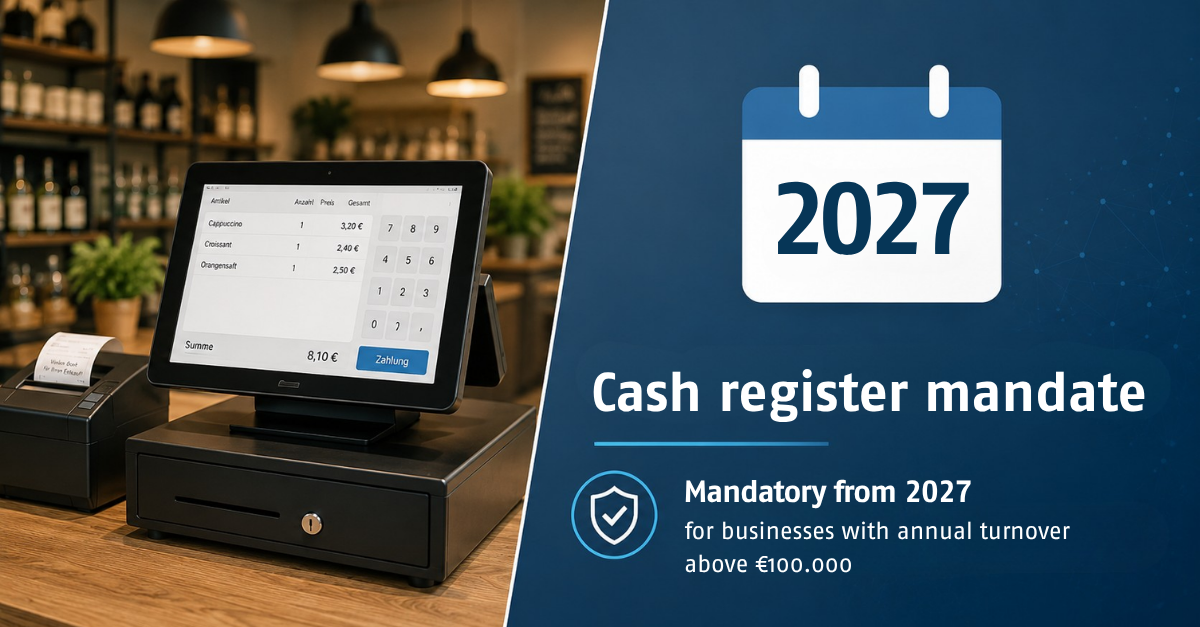
Germany’s planned 2027 cash register mandate could reshape POS strategy for retailers, hospitality businesses and service providers. This blog explains what may change, why TSE integration matters, and how certified hardware, cloud or hybrid fiscalization solutions can help build secure, audit-ready cash register environments in Germany for the years ahead.
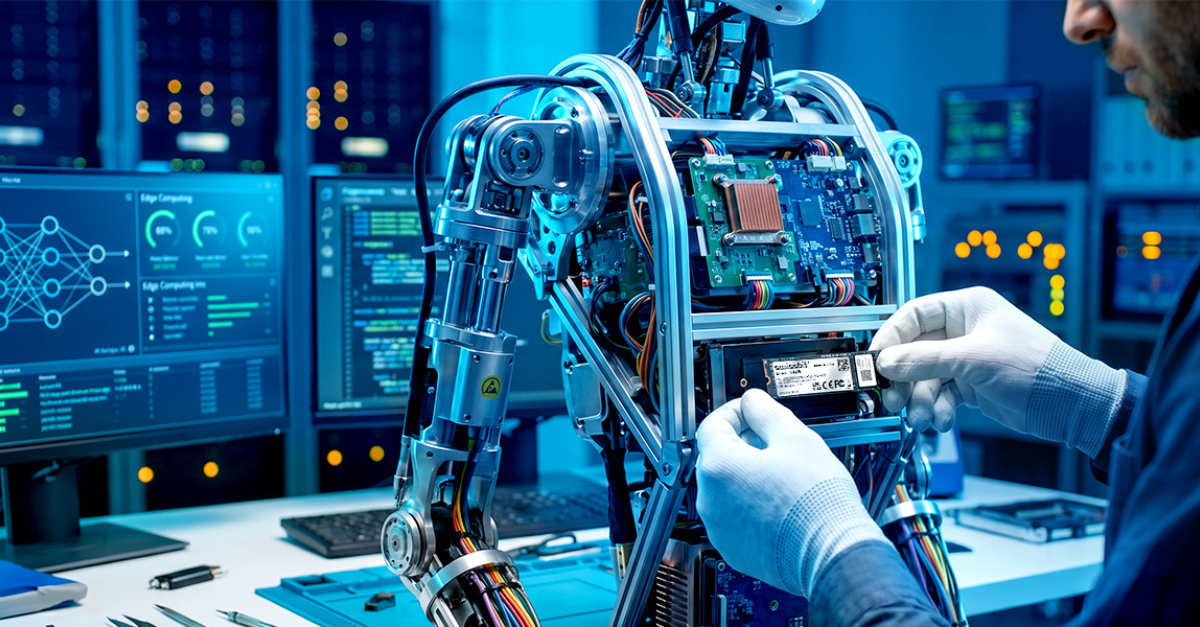
Edge, networking and industrial systems need storage that delivers more than headline speed. The Swissbit A2000 Series combines PCIe Gen4 NVMe performance with industrial-grade reliability, consistent low latency, power-loss protection, security features and endurance options for real workloads in demanding environments.
Fiscal compliance across borders does not have to be complicated. In this article, we explain how RetailForce and Swissbit are strengthening their collaboration – and why the combination of middleware and secure TSE technology helps companies implement fiscalization in a simpler, more scalable and legally compliant way.
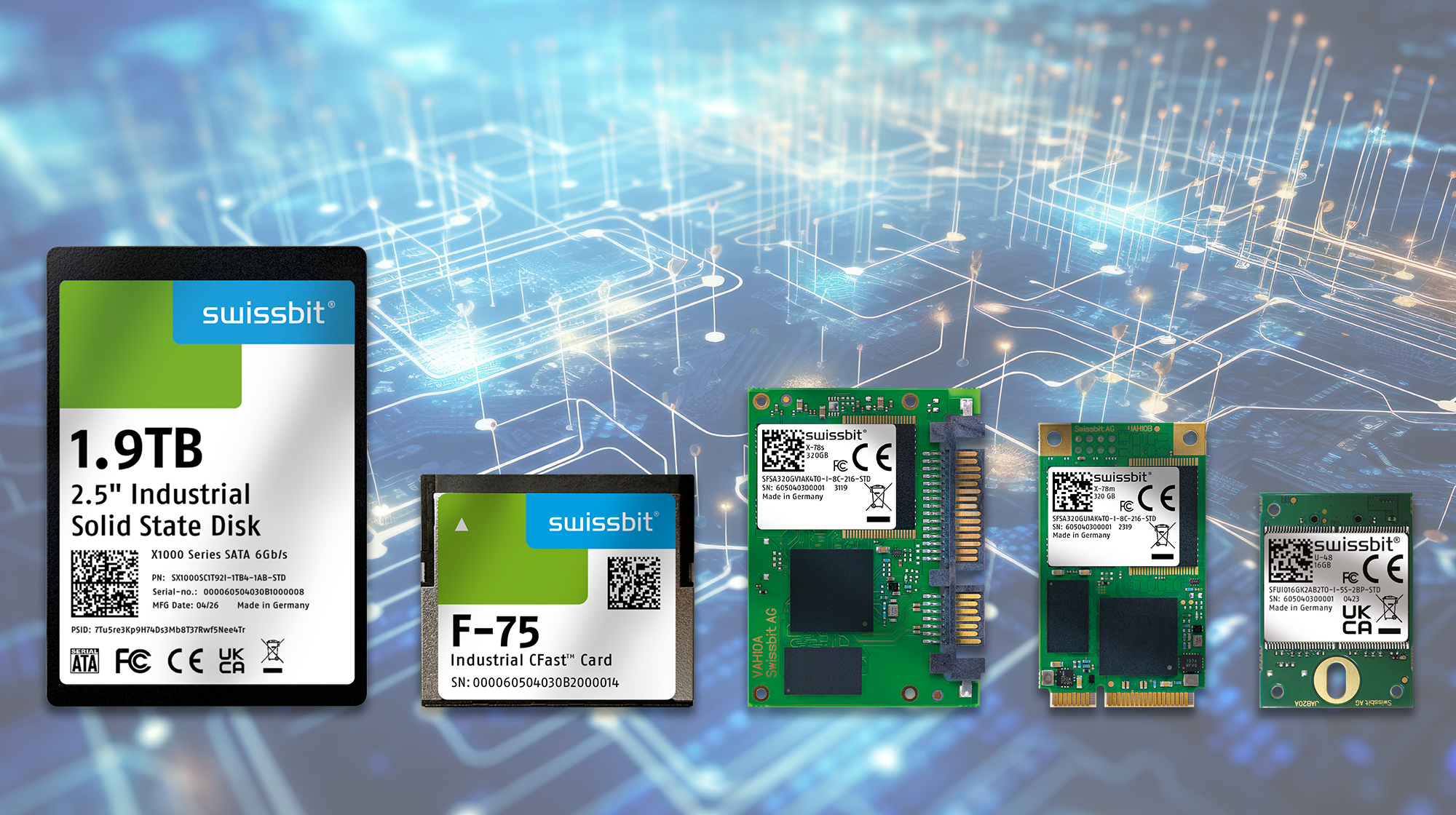
Swissbit is expanding its industrial storage portfolio with advanced BiCS5 NAND technology. Learn how the new generation supports smooth migration, long-term availability, flexible endurance options, and cost-efficient designs across established interfaces and form factors.
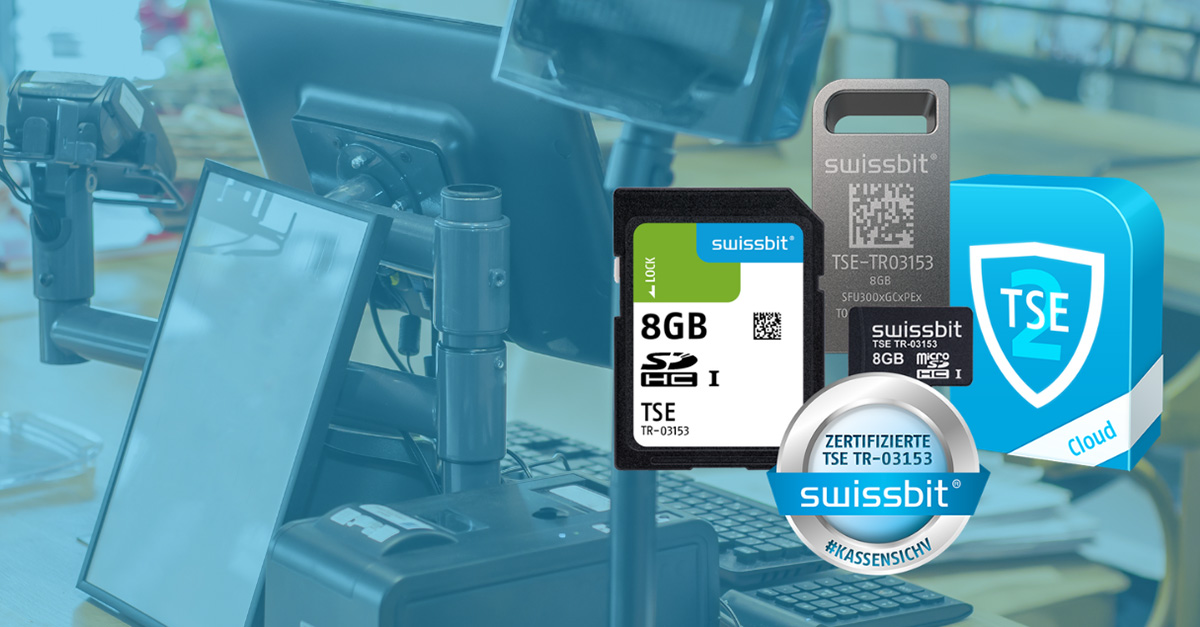
Cloud-TSE, hardware TSE or hybrid fiscalization? Choosing the right approach is more than a compliance decision. It shapes POS architecture, rollout, maintenance, scalability and long-term life cycle management. This article offers a practical decision framework for finding the right TSE strategy for different POS and business environments.
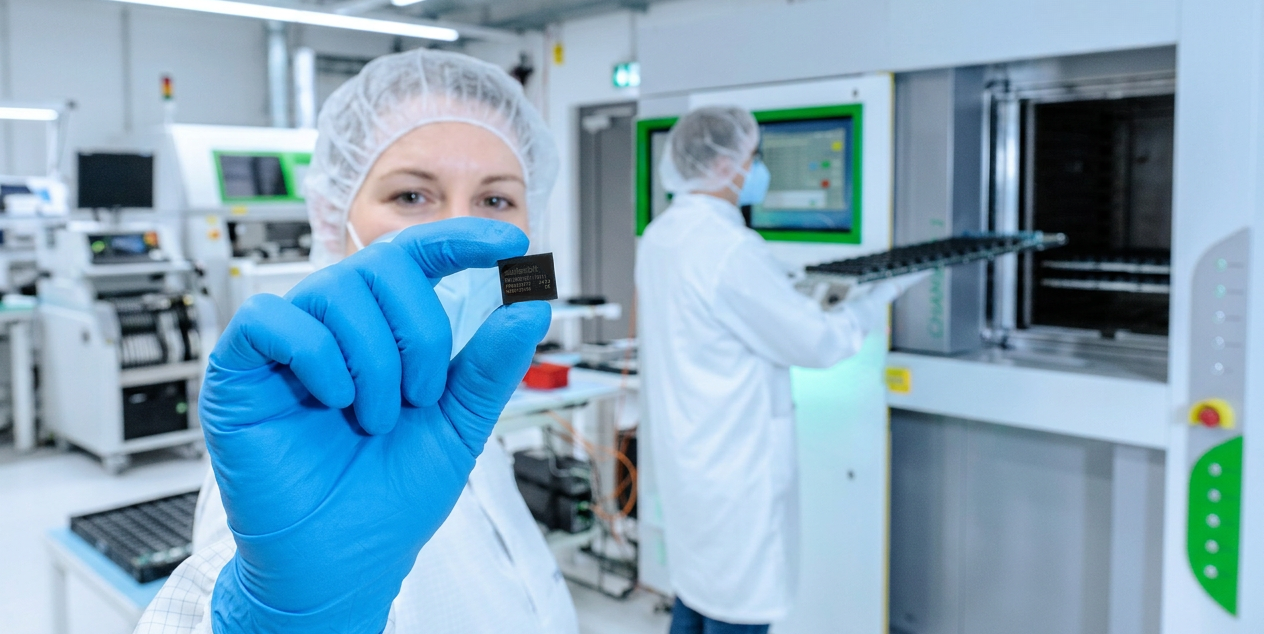
In a volatile storage market shaped by allocation, price increases, and e.MMC discontinuations, long-term stability matters more than ever. Swissbit’s in-house manufacturing in Berlin, from wafer-level production to final testing, gives customers quality, flexibility, and supply chain control for embedded storage designs.

As AI, edge computing, security and compliance reshape infrastructure requirements, standard memory and storage products are no longer enough for many applications. In this blog, we explore why customization is becoming essential in 2026 and how tailored firmware, security, endurance, thermal behavior, pre-load services, labelling, packaging and other adaptations help turn standard compatibility into real application value.
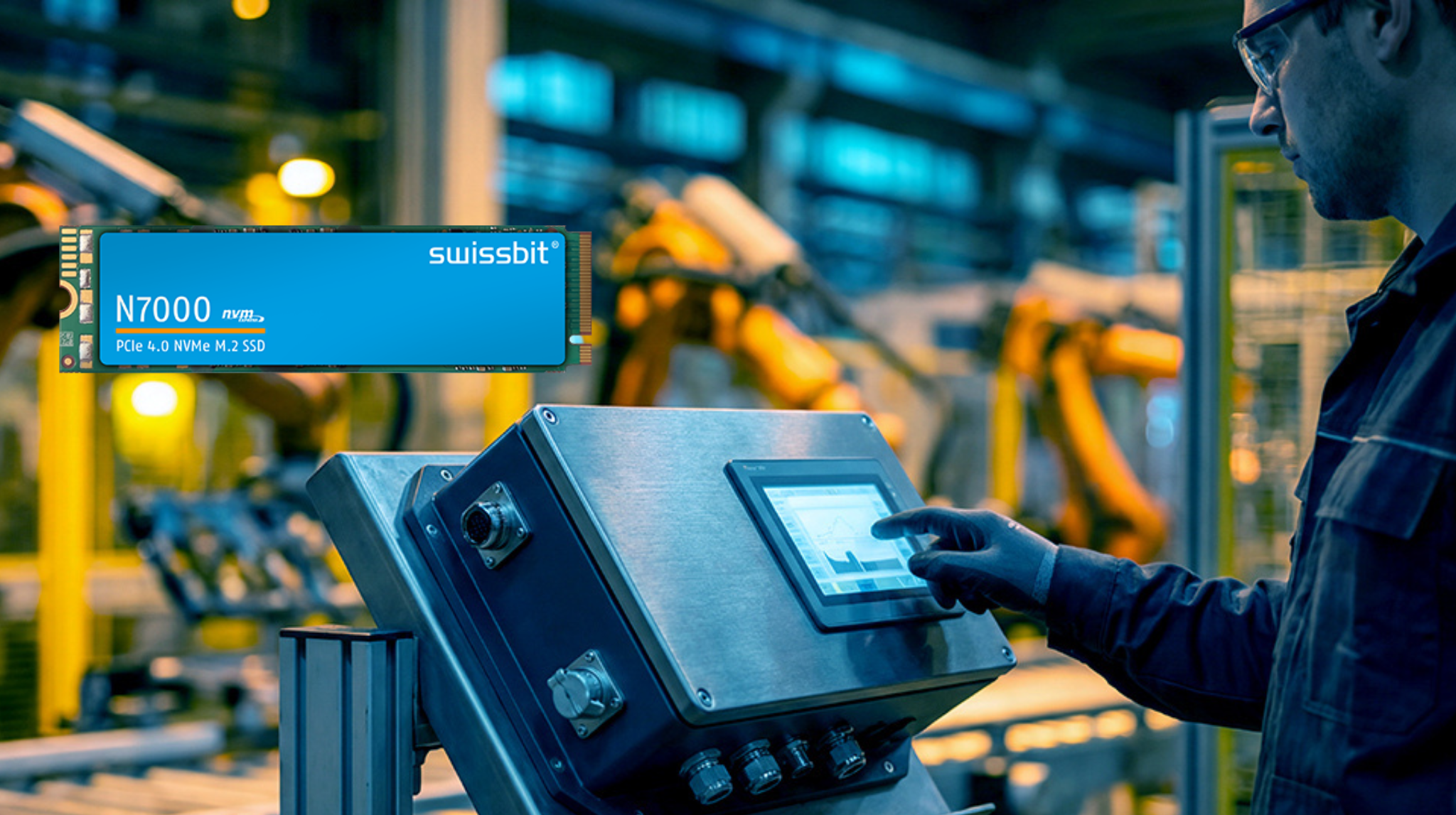
Embedded systems need more than peak SSD speed. This blog explores why modern industrial, networking, and edge AI applications require PCIe Gen4 storage that balances sustained performance, low power consumption, thermal stability, and long-term reliability — and how Swissbit’s N7000 series addresses these demands.
blog select
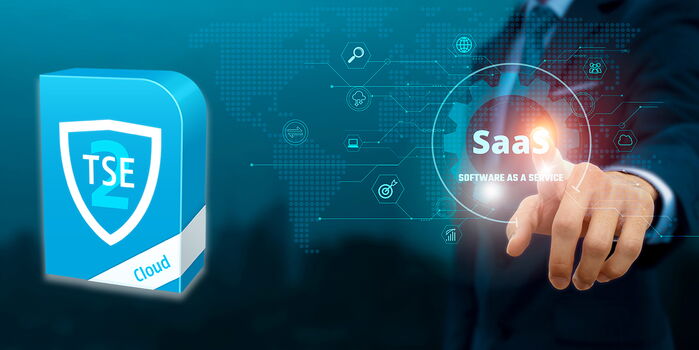
In my first blog post, I take a closer look at how a cloud-based Software-as-a-Service (SaaS) solution can make fiscalisation simpler and more secure. Today, many businesses face growing pressure to stay compliant while protecting transaction data from tampering. With Swissbit’s modern, cloud-managed, subscription-based model, the Cloud-TSE 2 shows how the SaaS approach can cut through complexity and make fiscal compliance both effortless and reliable.
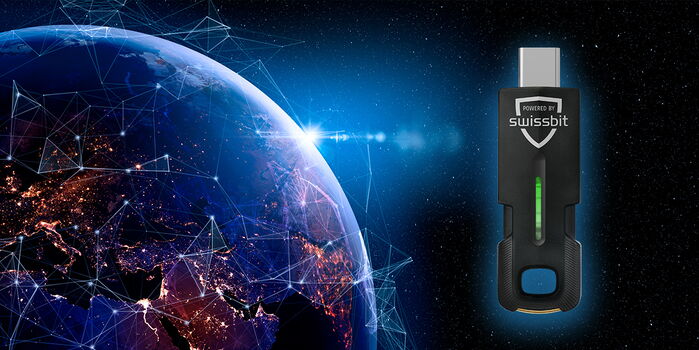
In my first blog post, I share insights from my journey across India, the Middle East, and Europe – exploring how hardware-rooted authentication and biometrics are shaping secure digital identities. Discover why Swissbit’s iShield Key is at the heart of passwordless transformation and digital sovereignty worldwide.
Discover how Versasec’s vSEC:CMS and vSEC:CLOUD enable seamless, scalable, and compliant end-to-end lifecycle management for the Swissbit iShield Key 2. In this guest post, Tatjana Suhorukova explains how centralized provisioning, policy enforcement, and automation turn large-scale hardware authentication into an efficient, secure enterprise process.
blog-newest
As semiconductor suppliers scale back e.MMC, many industrial customers are reassessing their storage strategy. But UFS is not automatically the safer choice. The key is to match performance, platform compatibility, integration effort, and long-term availability to the actual application requirements.
Edge AI is transforming factories, robots, and industrial equipment—but powerful processors alone are not enough. Reliable storage plays a critical role in protecting AI models, operational data, system integrity, and long-term performance. Discover why industrial SSDs should be selected for Edge AI platforms from the very beginning.
A fast SSD isn’t always the right SSD. Discover why consistent performance, endurance, and reliability matter more than peak benchmark numbers in industrial systems.
Germany’s planned 2027 cash register mandate could reshape POS strategy for retailers, hospitality businesses and service providers. This blog explains what may change, why TSE integration matters, and how certified hardware, cloud or hybrid fiscalization solutions can help build secure, audit-ready cash register environments in Germany for the years ahead.