White Papers
Important White Papers


AI-powered robots are generating and processing more data than ever, making storage a critical part of system design. Discover how CFexpress, PCIe, and NVMe can help build scalable, serviceable, and future-ready storage architectures for AMRs, AGVs, humanoid robots, and other advanced robotics platforms.

AI infrastructure is more than GPUs and model performance. This guide reveals the hidden storage layer that supports reliable boot, secure firmware, telemetry, recovery, and long-term system stability. Discover what makes storage truly AI-ready—from data centers to demanding edge environments.
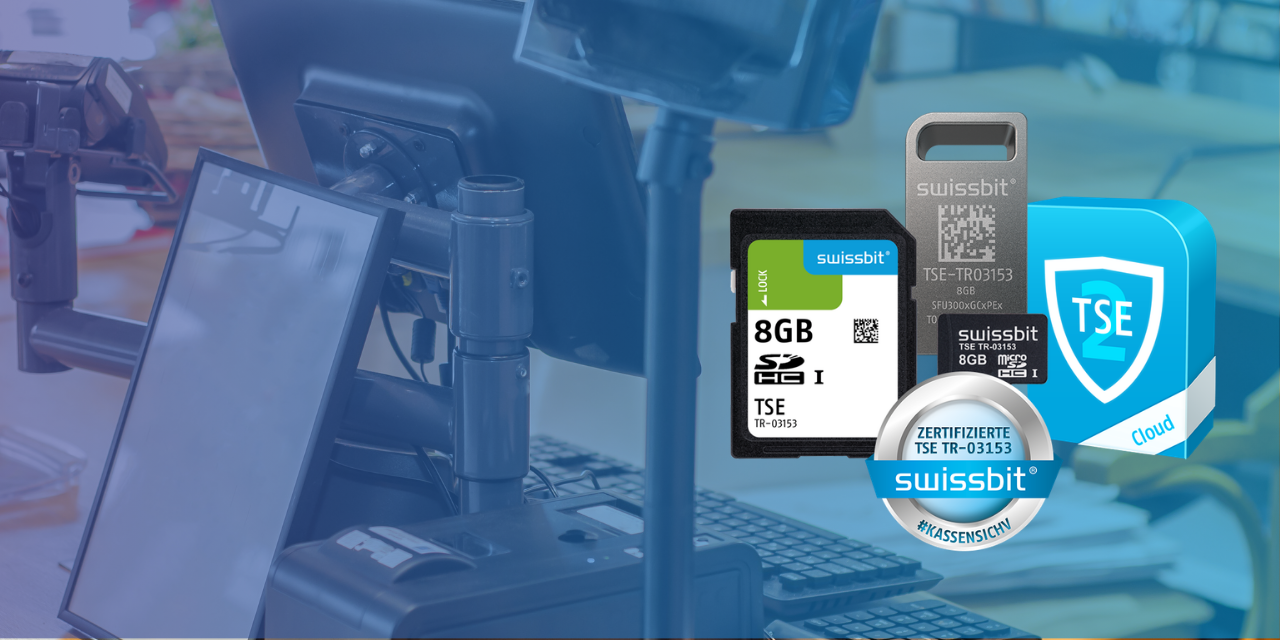
In Germany, every cash register transaction must be secure, tamper-proof, and audit-ready. This buyer’s guide explains how to choose a reliable TSE, compare Hardware TSE and Cloud-TSE options, and evaluate integration, performance, life cycle, and compliance requirements before committing to a solution for the German market.

European fiscalization is becoming more complex for POS systems operating across multiple markets. This white paper explains the shared principles behind compliance — Sign, Store, Notify — and shows how a Fiscal Control Plane can help create the transparency needed to manage fiscal requirements securely and at scale.

Discover why industrial storage must be judged by more than peak benchmark figures — from NAND selection and firmware strategy to power-loss protection, environmental resilience, and long-term availability.

Fiscalization is entering a new phase: tighter rules, expanding omnichannel retail, and rising cyber/fraud risks. This trend report shows how 2026 shifts fiscalization toward cloud-connected, resilient, security-centric models – using hardware trust anchors and cloud-ready architectures – to speed rollouts and strengthen long-term compliance.

Explore 10 trends redefining phishing-resistant, hardware-backed authentication—passkeys, biometrics, continuous access, physical/logical convergence, supply chain assurance, and post-quantum readiness. Benchmark your 2026 and beyond roadmap with Swissbit insight.

Select storage that stays reliable in manufacturing and automation – built for 24/7 operation, vibration, temperature swings, and frequent small writes. This integration brief explains the key criteria for availability, endurance, and data integrity across long lifecycles, plus practical examples to cut downtime and redesign risk.

The electronics industry is undergoing major structural change: edge-driven AI is reshaping architectures, memory is becoming a strategic lever for performance and security, regulations and cyber baselines are tightening, and supply remains constrained amid rapid tech shifts. Swissbit CTO Silvio Muschter shares the key trends shaping long-term strategies.

AI-driven workloads raise the bar for networking storage. This brief outlines what to consider in routers, switches, security appliances, and edge platforms - throughput, latency, endurance, and integrity - so you can choose confidently before diving into details.

This white paper examines how temperature affects storage performance, reliability, and data integrity. It offers practical strategies and real-world examples to help IT professionals and engineers design robust systems for thermally demanding environments.

Edge computing is revolutionizing industries with rapid data processing, security, and efficiency. Edge servers in CDNs, 5G, healthcare, smart cities, and automation ensure quick decisions and optimized data flow. Learn how effective thermal management and high sustained performance can enhance reliability and longevity.

Swissbit’s new white paper shows how cost-effective retrofits with secure memory solutions can make existing devices CRA-compliant - without major hardware changes. Learn how to protect data, ensure system integrity, and meet regulatory requirements while extending your product’s lifecycle.

e.MMC 5.1 devices enhance PCB designs by integrating NAND flash and the flash controller into a single package, optimizing space and improving security. This white paper discusses the built-in security features of e.MMCs, crucial for non-removable storage solutions, and provides insights into protecting against unwanted security threats.

This paper explains the difference between the “fresh out of the box” performance and the steady-state performance. Measurement is a complex subject and it is essential to understand exactly what has been measured under which conditions to be able to compare different drives.