Swissbit-Blog
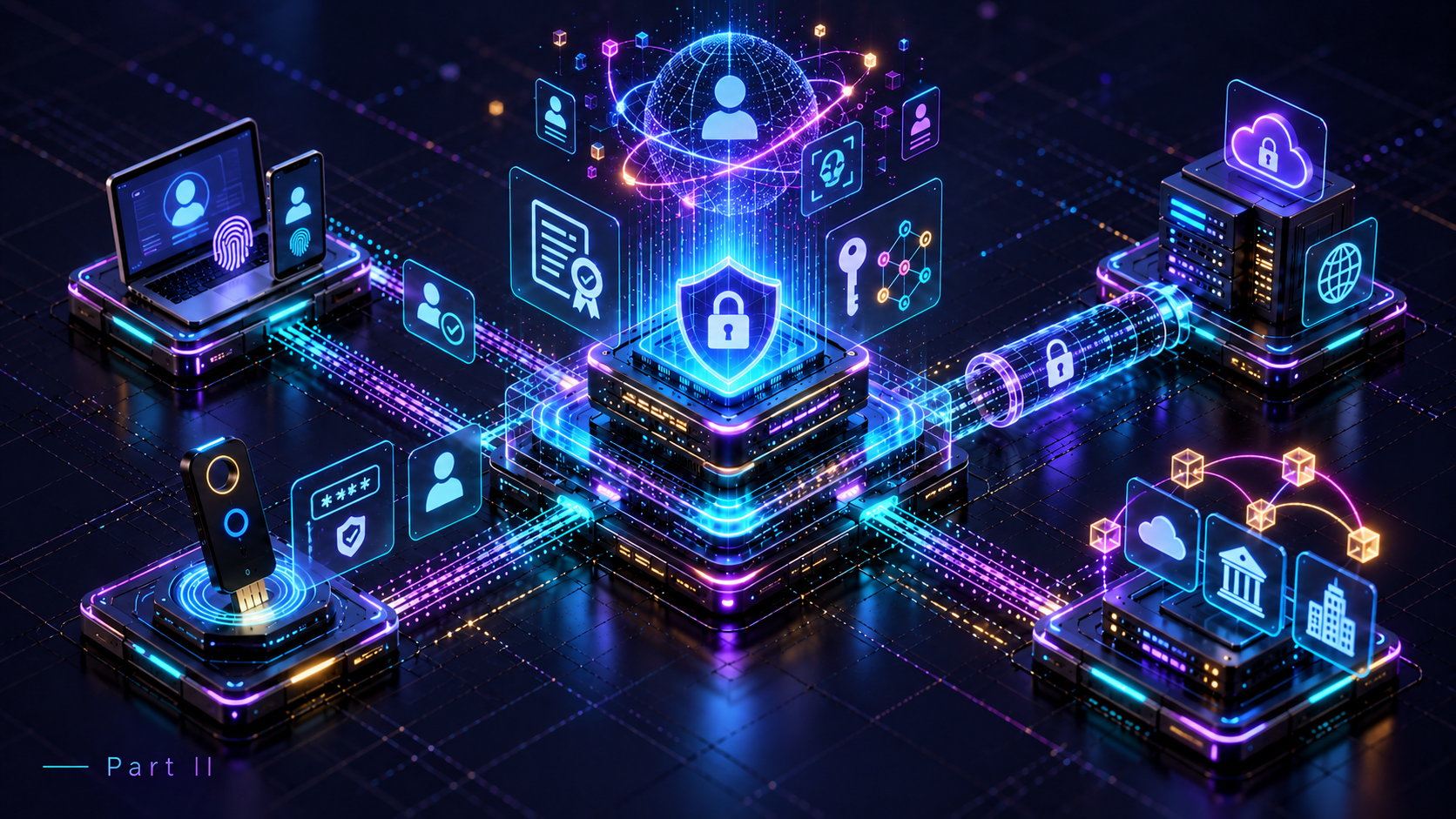

Migrating FIDO2 to Post-Quantum Cryptography is more than replacing algorithms. It affects attestation, secure channels, PIN protocols, metadata, certification, and interoperability across the ecosystem. Part two looks at these challenges – and at how Swissbit’s iShield Key 2 PQC helps evaluate PQC-enabled FIDO in practice.
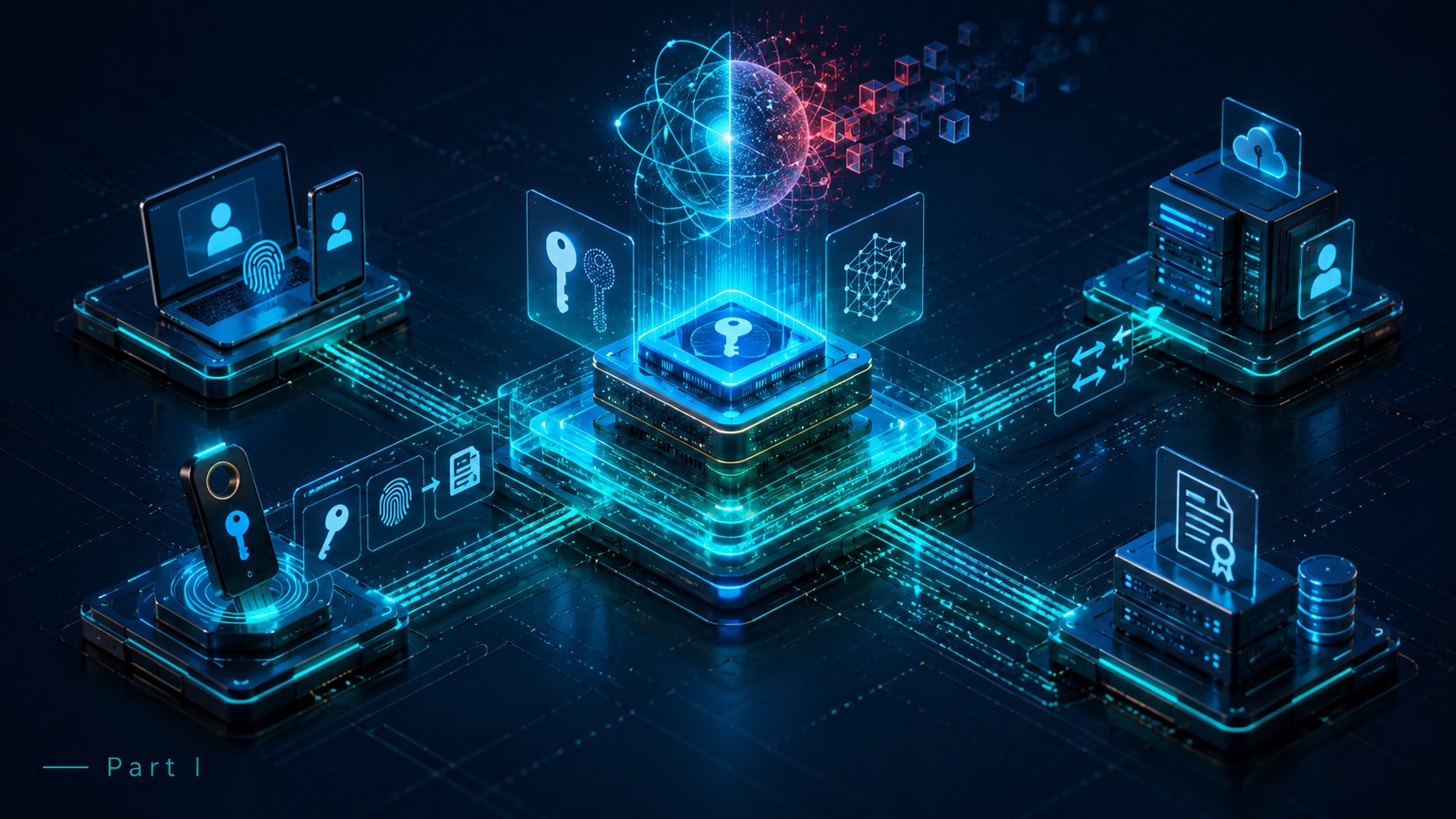
Passkeys machen phishing-resistente, passwortlose Authentifizierung komfortabler – ihre Sicherheit basiert jedoch auf FIDO2 und Public-Key-Kryptografie. Teil I erklärt, wie WebAuthn, CTAP, Authenticator, Relying Party und FIDO Metadata Service zusammenspielen, wo Kryptografie im FIDO2-Ökosystem zum Einsatz kommt und warum die Migration von Passkeys zu Post-Quanten-Kryptografie (PQC) weit mehr ist als der Austausch einzelner Algorithmen.
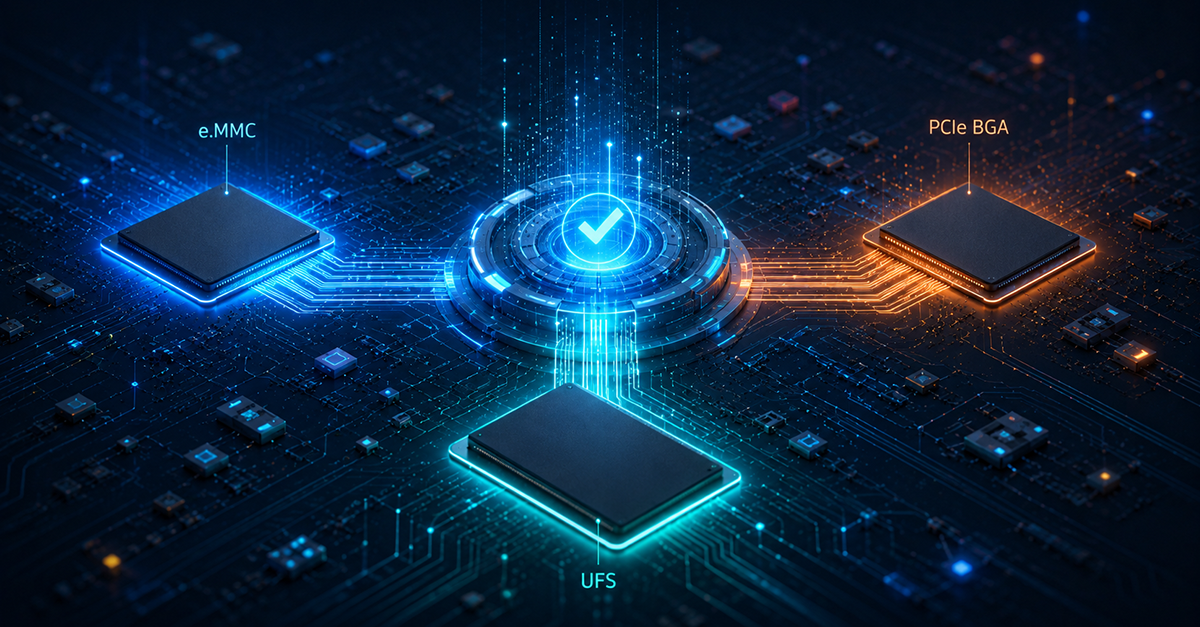
Da große Halbleiterhersteller ihr e.MMC-Angebot zunehmend zurückfahren, überdenken viele Industriekunden ihre Speicherstrategie. Doch dabei ist UFS nicht automatisch die sicherere Wahl. Entscheidend ist vielmehr, Performance, Plattformkompatibilität, Integrationsaufwand und Langzeitverfügbarkeit mit den tatsächlichen Anforderungen der jeweiligen Anwendung in Einklang zu bringen.

Learn what the German Cash Register Security Ordinance (KassenSichV) requires, who it affects, and how businesses can build a reliable, scalable POS compliance strategy with the right TSE approach.

AI at scale is not just a software story. This blog explores how power, cooling, storage, and resilient supply chains are becoming the true enablers of AI infrastructure, and why long-term reliability, industrial execution, and ecosystem thinking will define who creates lasting value in the AI economy.
In 2026, the memory supercycle is hitting hard. AI players are consuming nearly all NAND and DRAM capacity, leaving critical infrastructure systems struggling to obtain the flash they need. In my commentary, I explain why these “small” components are becoming the next big bottleneck - and what must change to keep the digital ecosystem stable.

In my latest blog post, I take a closer look about sustainability. At Swissbit, it’s built into the way we innovate. As digitalization and the energy transition accelerate, the demand for powerful and reliable electronics is rising along with the responsibility to make technology more sustainable. Swissbit’s answer is integration excellence.
Edge-Computing verändert alles – auch die Speicherung. Erfahren Sie, warum PCIe und NVMe für zuverlässige und effiziente Edge-Systeme entscheidend sind, welchen Herausforderungen Speicherlösungen gewachsen sein müssen und wie die Wahl der richtigen SSD den langfristigen Erfolg in anspruchsvollen Umgebungen bestimmen kann.
In my latest blog post, I discuss the importance of proprietary firmware for Swissbit. Reliability and security are paramount in industrial and embedded applications. These systems must function flawlessly for years, often under extreme environmental conditions. For Swissbit, one of the key factors in achieving this level of reliability is the firmware, or the software intelligence that controls the behavior of the flash memory.

In my latest blog post, I demonstrate once again how important data is in today's world. I also explain how Swissbit storage solutions secure data in different and demanding environments, including on land, in the air, at sea, and in space. Because: Swissbit storage solutions are designed to work when it matters most — when failure is not an option.

At Embedded World in March, one of the hottest topics was the EU's new Cyber Resilience Act (CRA). In his blog post, Matthias Poppel outlines who is affected, what obligations the CRA entails, and why companies must act now to ensure their products remain marketable in the EU beyond 2027.

The evolution of servers and data centers has fundamentally changed the way businesses operate. As efficiency and data processing capabilities increase, the need for reliable and robust data storage solutions is also growing. In this article, I discuss the challenges companies face and how Swissbit provides the ideal support with innovative storage solutions tailored for data centers, enterprise solutions and edge servers.
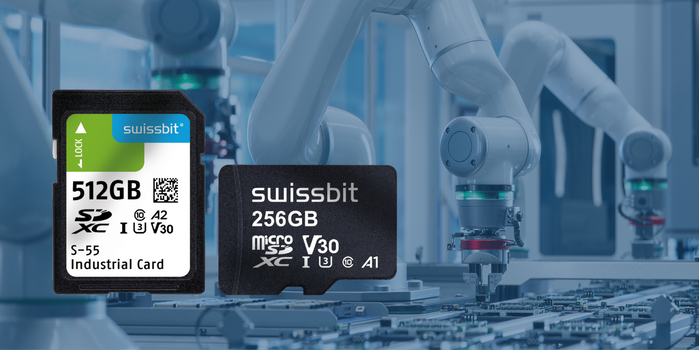
In my first blog post, I analyze the factors that enable certain SD and microSD cards to withstand harsh conditions. I discuss the features that enhance their durability and explains why Swissbit SD and microSD cards are the most durable in harsh environments.