Swissbit 部落格
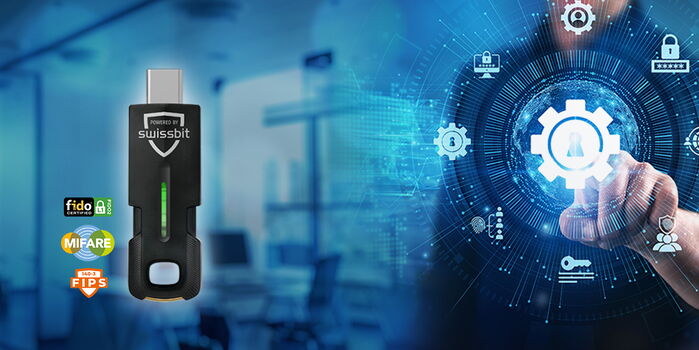
In my latest blog post, I unveil the iShield Key 2, a universal security key designed for both digital and physical access. I explain why the iShield Key 2 sets the global standard for hardware authentication and is the ideal phishing-resistant authentication solution for companies and organizations.

Industrial espionage and cyber threats are evolving, exploiting both digital weaknesses and physical access points. While ransomware grabs headlines, silent data theft often causes greater harm. Outdated security systems leave networks and restricted areas exposed. In his latest article, Claus Gründel examines rising data breach risks, the need for layered security, and how modern authentication protects both digital and physical assets.
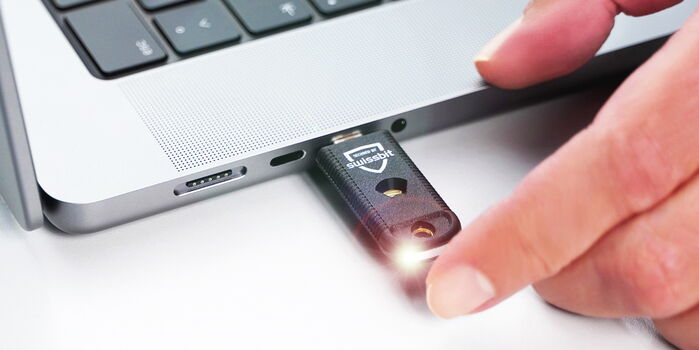
In his latest blog post of the "Authentication Basics" series, Chris Collier explores the essentials of multi-factor authentication (MFA) and points out how and why hardware tokens provide unparalleled security and ease of use. Discover why these physical devices are a top choice for robust online protection against phishing and other cyber threats.
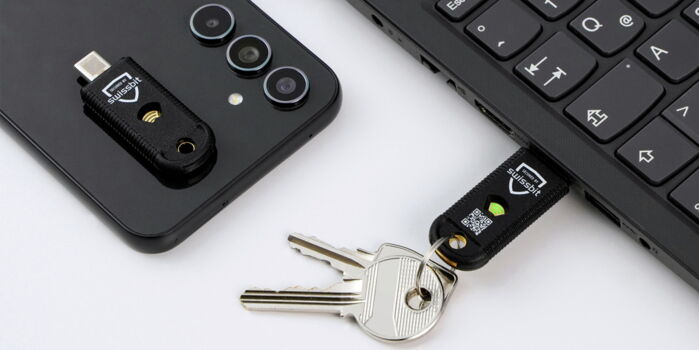
In his first "Authentication 101" blog post Alexander Summerer points out how and why the iShield Key series secures a user's digital identity by serving as an authenticator on websites, applications, online services and corporate networks.
The EU's NIS2 Directive is tightening cybersecurity for critical infrastructures. Navigating these regulations can be daunting. Alexander Summerer explains what NIS2 means for your organization and how Multi-Factor Authentication (MFA) can help you comply. Discover who is affected, the penalties for non-compliance, and why USB tokens might be the most secure and cost-effective MFA solution.
Join our IAM technologist, Chris Collier, in a new blog series about the basics of authentication, Identity [&] Access Management, and cybersecurity. In this first post, Chris explores the fundamentals of the FIDO2 standard, offering essential information and practical tips for software administrators aiming to implement this robust security protocol.

At the beginning of June, the Christian Democratic Union (CDU) in Germany was the victim of a serious cyberattack. Hackers exploited a VPN vulnerability and accessed sensitive data. This attack underlines (once again) the urgent need for multi-factor authentication (MFA), says Claus Gründel, General Manager for Swissbit's security solutions, and emphasizes the importance of decisive action in cyber security.

Dive into the concept of 'zero trust' and learn practical implementation strategies to safeguard your company's critical resources and data against internal and external threats. In his blog post – and our corresponding white paper – Alexander Summerer reveals how zero trust principles, including hardware-based authentication like FIDO security keys, can elevate your security measures and proactively minimize risks.